
( 01 Case study — Dossier )
( In one line )
A patient record redrawn so the person it describes can read it without a clinician translating.
Client
Marrow Health, Manchester
Year
2022
Services
Digital product
Design system
Duration
Fifteen weeks
( Scope )
Research
Service mapping
Interface design
Design system
Clinical review
( Team )
Partner, product
Two designers
Researcher
( Tested with )
Forty-two patients and nineteen clinicians, reading the same record side by side.
( Elsewhere )
Marrow’s record was written for clinicians and shown to patients, so every appointment began with someone reading their own history aloud to have it explained back.
The information was all there. It was ordered by the system that produced it rather than by the question the patient came in with.
We rebuilt the record around three questions patients actually ask: what happened, what is happening now, and what happens next. Clinical detail did not go away — it moved under each answer.
The design system came out of the clinical review rather than ahead of it. Nothing ships until a clinician and a patient read the same screen and agree on what it says.
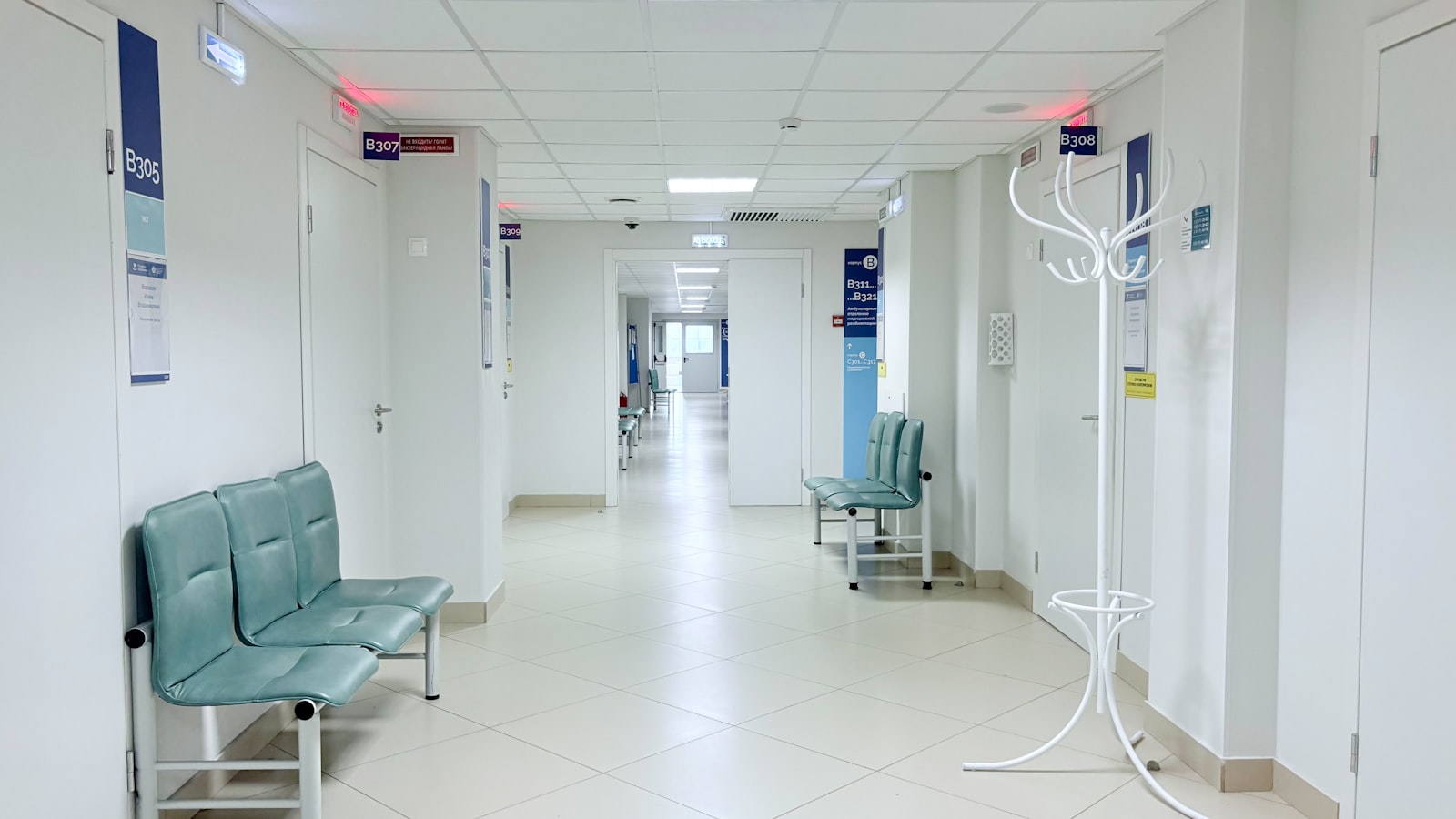
Pl. 01 Record, patient view

Pl. 02 Reading session, ward

Pl. 03 Timeline component, third round
Reported by Marrow at the ninety-day review.
−62%
Support calls about the patient record, first month.
3
Questions the whole record is now organised around.
42
Patients who read the record before it shipped.
−9 min
Median appointment time spent explaining the record.
Let's make
something
lasting