
( 01 Case study — Editorial )
A museum with four buildings and no shared record of what it owns, given one public catalogue the curators keep themselves.
Client
Museo Lima, Peru
Year
2024
Services
Web platform
Design system
Sector
Culture
Four buildings
Duration
Twenty-two weeks
Feb – Jul 2024
Team
Partner, product
two designers, researcher
Museo Lima held about ninety thousand objects across four buildings, catalogued in three systems that had never spoken to each other. A visitor could stand in front of a work and find nothing about it online.
The museum did not need a website. It needed one record per object that every department would agree to keep.
We started in the store rooms with the registrars rather than on the homepage. The schema came out of how the collection is actually described — object, provenance, condition, display history — and the public site is a view onto it.
Curators publish directly. Nothing is written twice, and the exhibition microsites are generated from the same records instead of being built by hand each time.
The catalogue stopped being a project and became part of the job.
Camila Sotelo — Head of Collections, Museo Lima
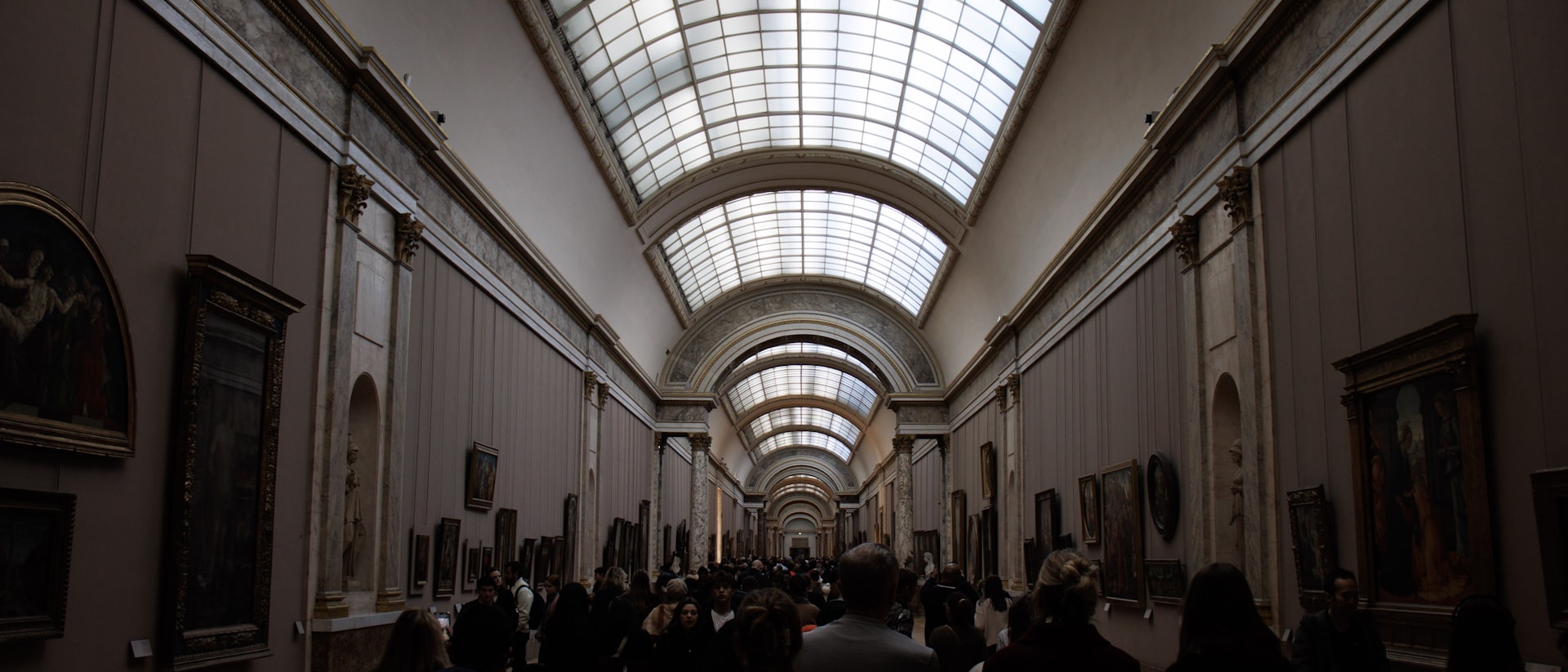
Pl. 01 Object record, curator view
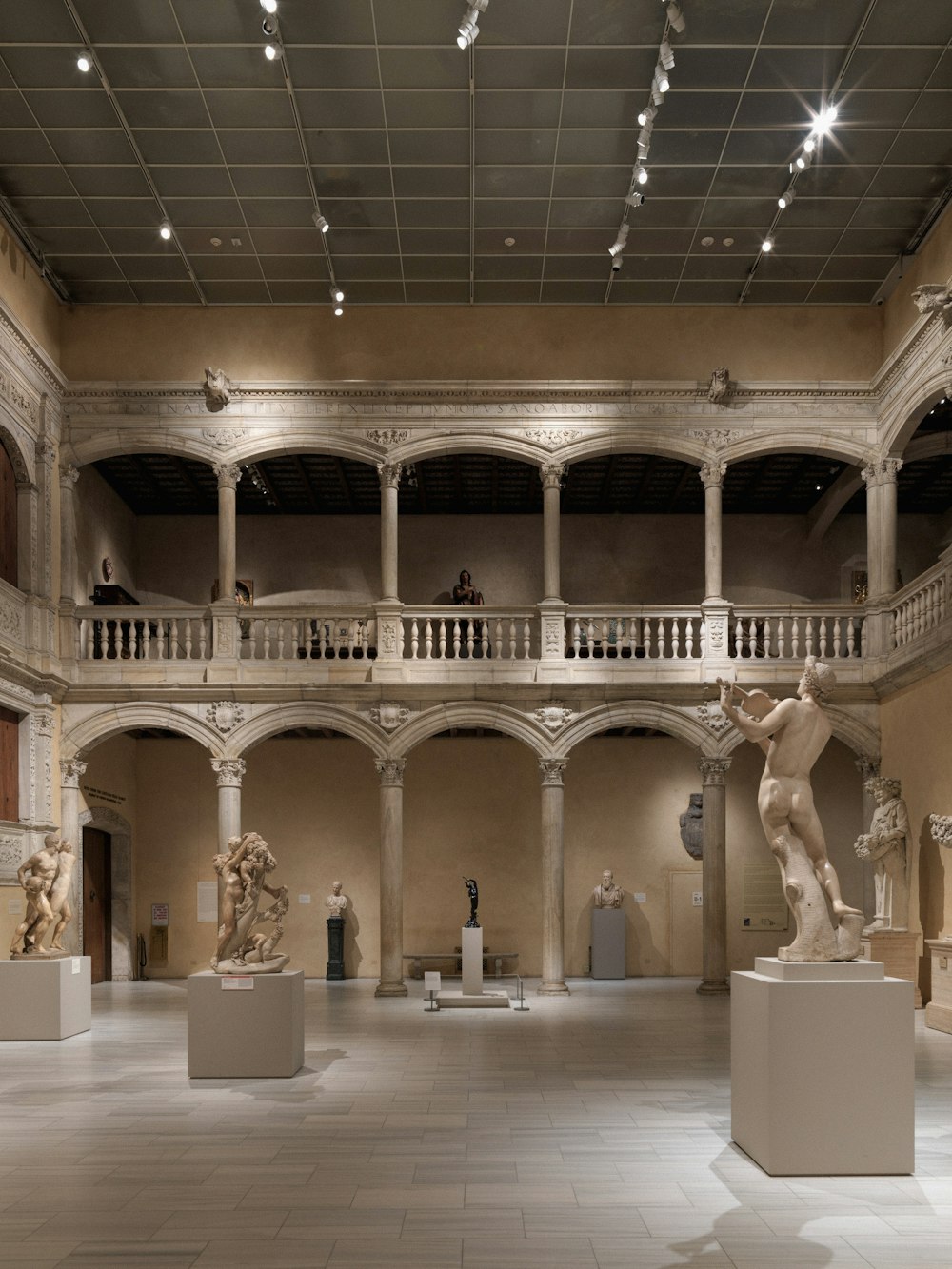
Pl. 02 Gallery signage test
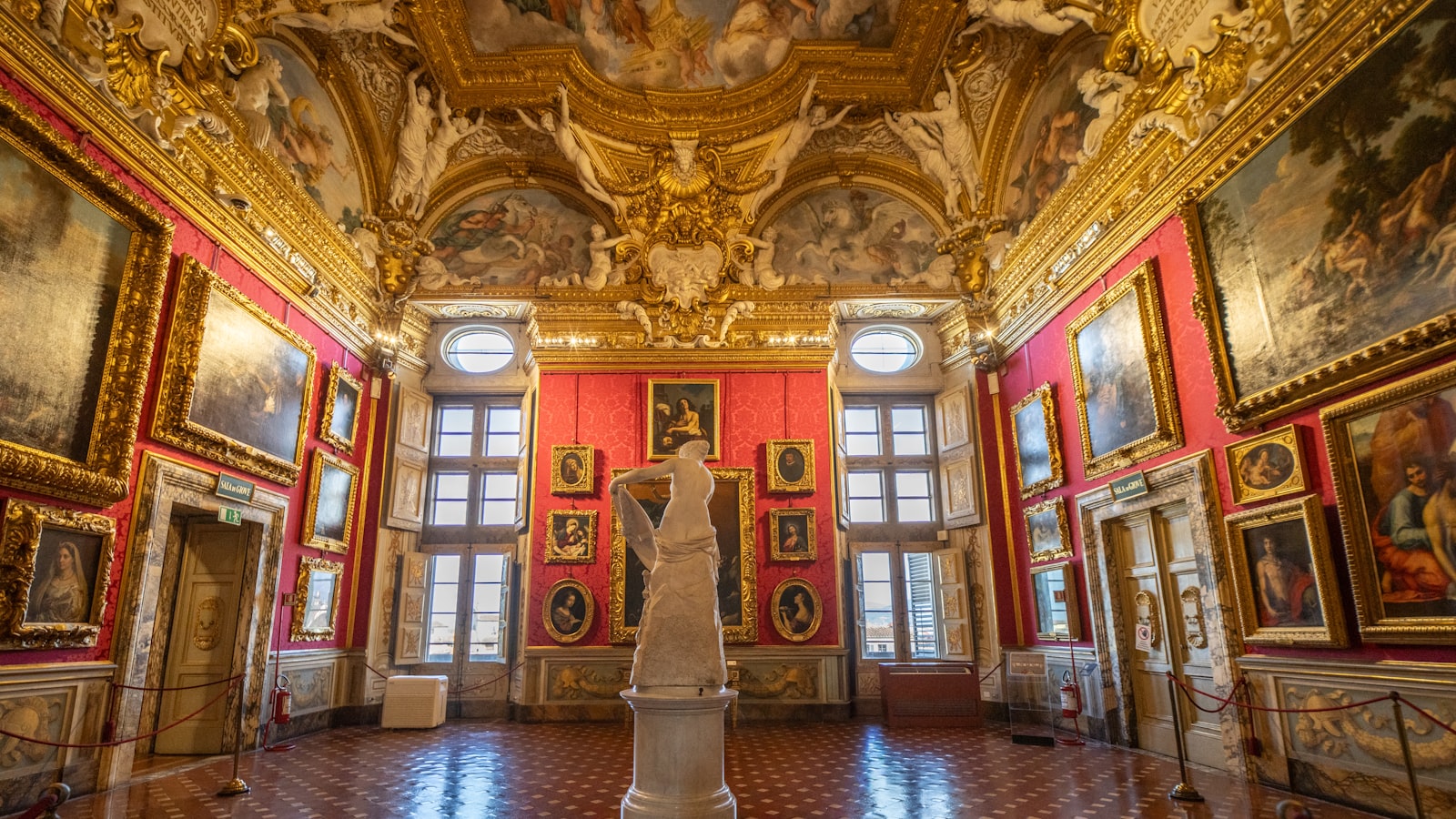
Pl. 03 Exhibition template, first build
The catalogue went live building by building over five months, each department publishing its own holdings as the records were reconciled.
( 02 Ninety days later )
90k
Objects
Records published in the first eleven months.
3→1
Systems
Collection databases folded into one record.
+61%
Sessions
Visits to collection pages against the year before.
0
Rebuilds
Exhibition microsites built by hand since launch.
Let's make
something
lasting