
( 01 Case study — Dossier )
( In one line )
A booking flow rebuilt around the four decisions travellers actually make, tested with people who had never seen the old one.
Client
Halcyon, Lisbon
Year
2025
Services
Digital product
Design system
Duration
Twelve weeks
( Scope )
Research and testing
Flows and IA
Interface design
Design system
Engineering handover
( Team )
Partner, product
Designer
Researcher
( Tested with )
Thirty-one travellers across four rounds, none of whom had used the previous flow.
( Elsewhere )
Halcyon sold multi-city itineraries through a flow inherited from a flight search engine. Nine screens, four of which existed to collect data the company never used. Two thirds of mobile bookings were abandoned on screen five.
Nobody inside the company could complete a booking without pausing to think, which was the finding we opened the first review with.
We rebuilt the flow around four decisions: where, when, who with, and how much. Everything else moved after payment or disappeared. A prototype was in front of users in week two, before the interface had any visual opinion at all.
The design system came out of the flow rather than ahead of it. Sixteen components, each one earned by appearing in at least three places.
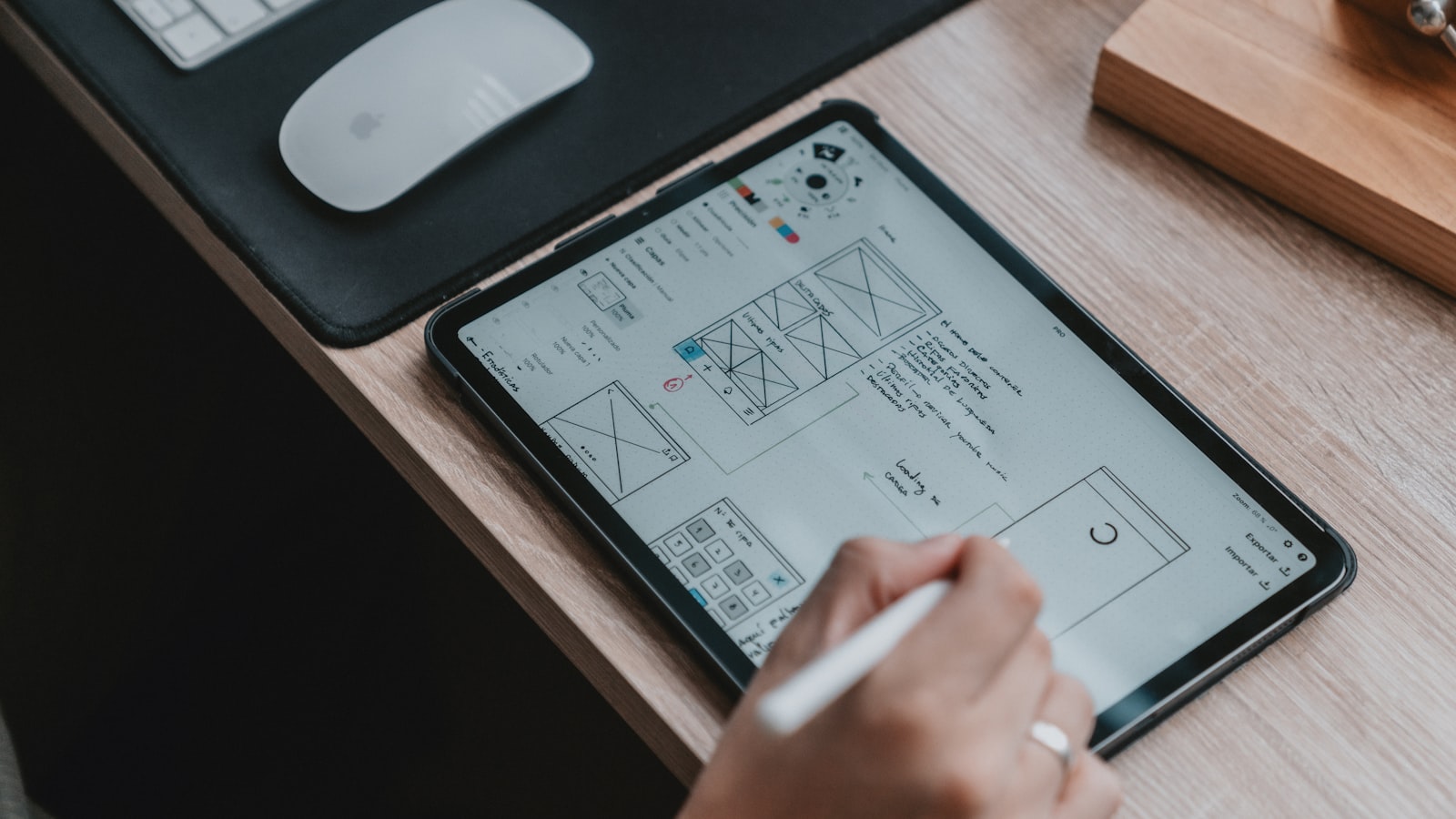
Pl. 01 Flow prototype, round two
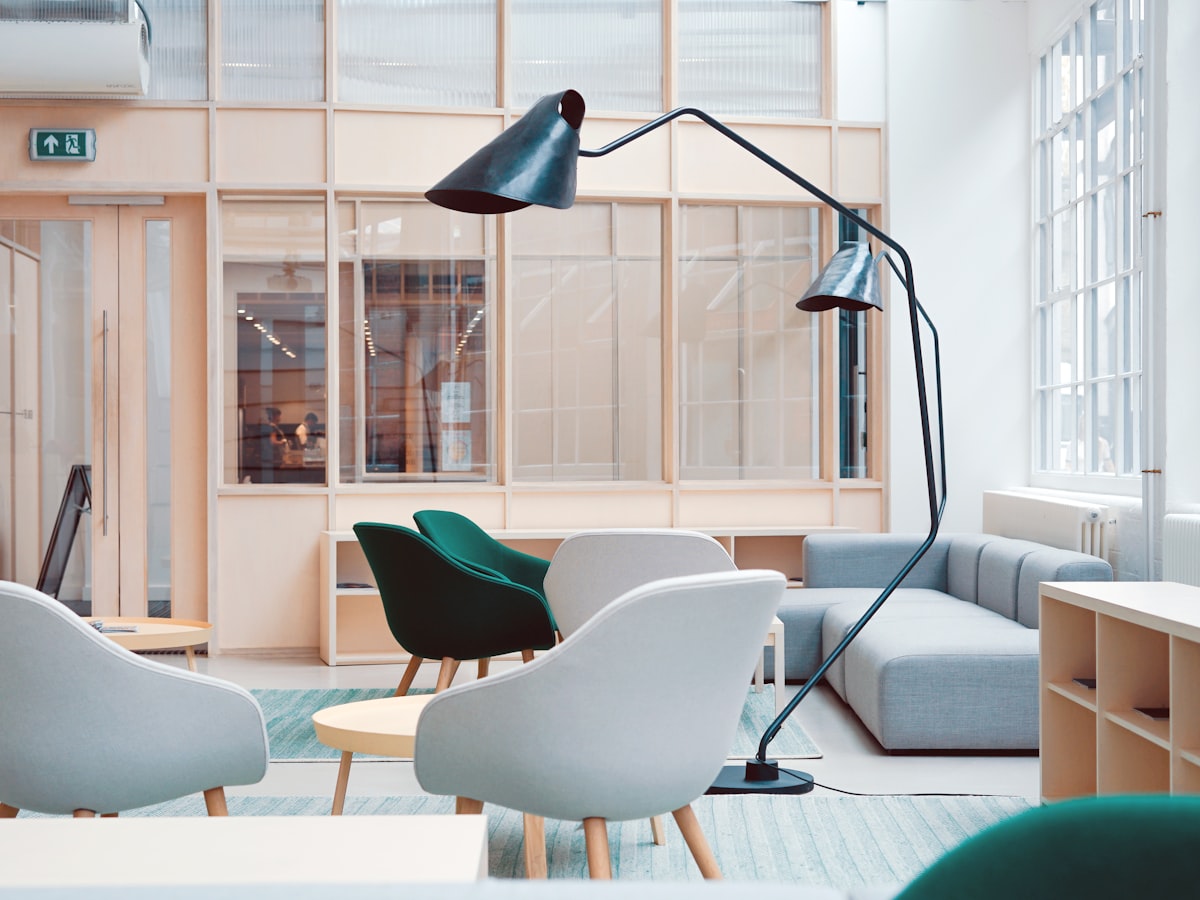
Pl. 02 Testing session, Lisbon
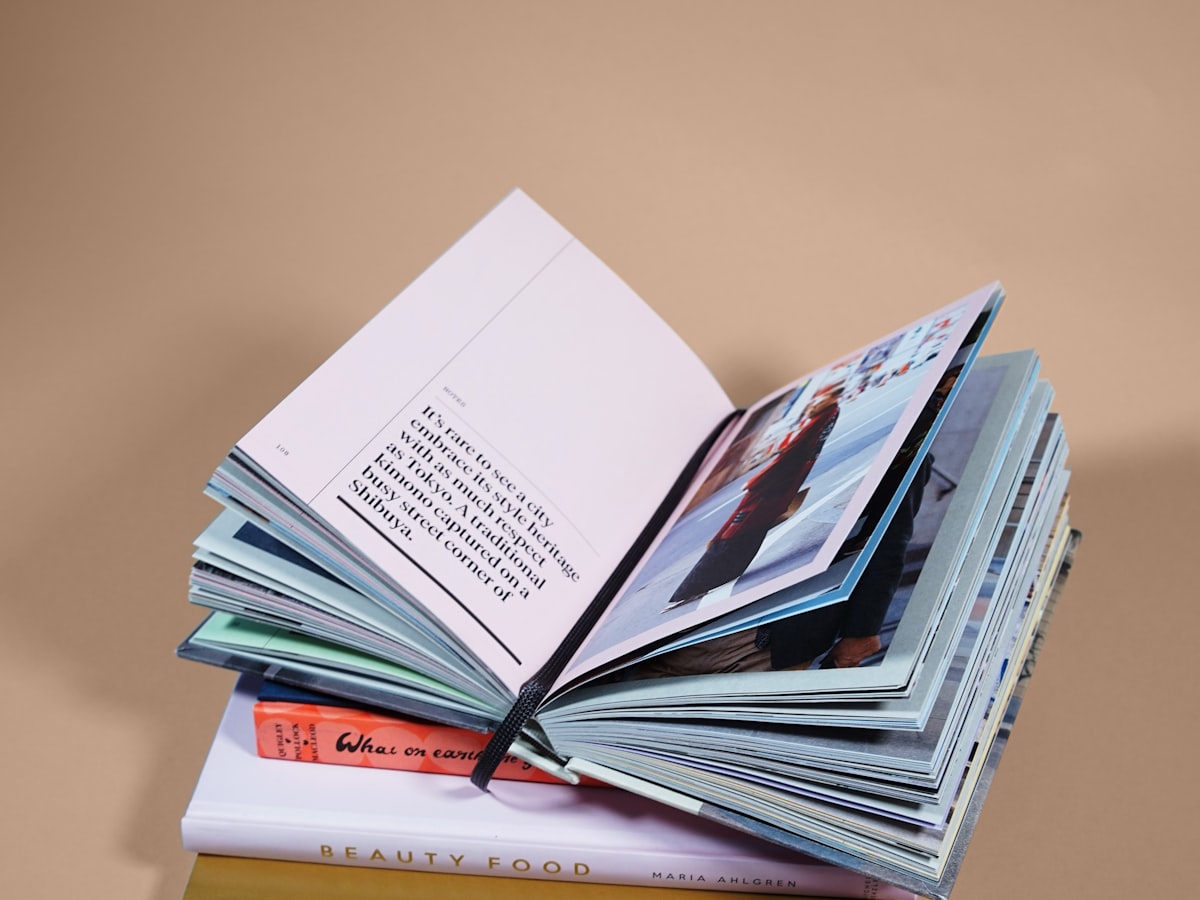
Pl. 03 Component audit
Reported by Halcyon at the ninety-day review. The support figure was the one that surprised them.
4.1×
Completed bookings on mobile against the flow it replaced.
−44%
Time from first screen to payment, median across devices.
−31%
Support contacts about booking changes, first quarter.
16
Components in the system engineering shipped from, unmodified.
Let's make
something
lasting