
( 01 Journal )
Process
09 May 2026
5 min read

Elena Marsh
Founder, Strategy
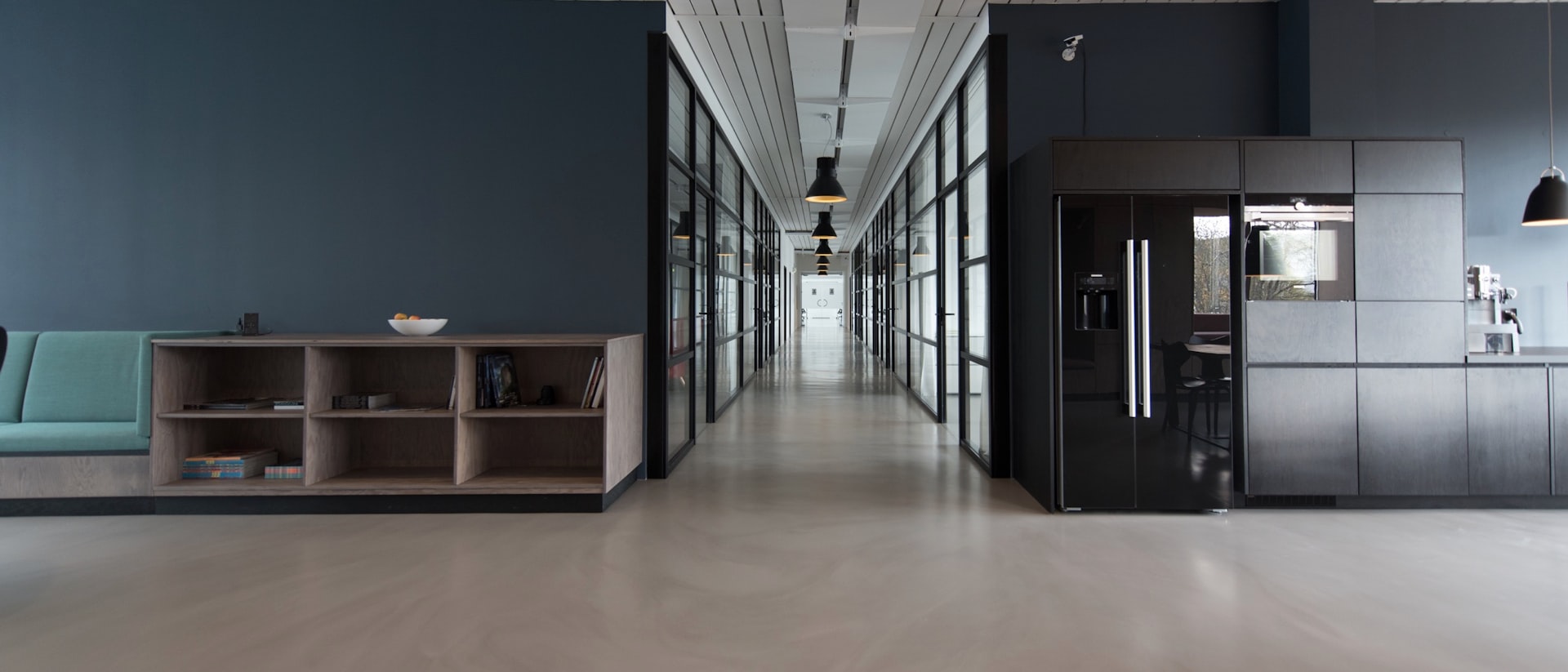
Pl. 01 Review room, single-route presentation
Why we present a single route rather than three, and what has to be true for that to be fair to the client rather than merely convenient for us.
Three routes look generous. In practice two of them are built to lose, everyone in the room can tell which, and the conversation becomes a vote instead of a decision.
It is also dishonest work. We do not believe in all three, and pretending otherwise is a strange way to start a relationship.
Presenting one direction only works if the client can genuinely reject it, and that means the reasoning has to be visible before the artefact is. We show the constraint list, the routes we tried and abandoned, and why. The recommendation arrives last, and by then it is rarely a surprise.
For it to be fair, four things have to be true:
The client saw the alternatives while they were still alive, not as corpses in an appendix
The reasoning is written down and can be argued with line by line
Rejecting it costs them nothing but time, and we say so out loud
We have been wrong in front of them before, and admitted it
Without the fourth, the first three read as confidence rather than candour.
A single route is not a stronger opinion. It is a more exposed one.
Studio principle, revised 2023
It goes wrong when the exploration happened privately. If the client meets the abandoned routes only in a slide titled ‘also considered’, they are right to feel managed, and the single recommendation looks like a decision already taken. We now share work in progress weekly, ugly, with the dead ends still attached.
It also goes wrong with a client who has to sell the work upward to people who were in none of those conversations. In that case one route is not enough — not because the thinking is weaker, but because the audience is different. We now ask early who has to be convinced later, and build for that person too.
Twice in four years a client has rejected the single route outright. Both times we went back with a second, and both times the second was better, because the rejection told us something the brief had not.

Pl. 02 Abandoned routes, kept on the wall
It is slower before the presentation and much faster after it. We spend longer arguing internally, because there is nowhere to hide a route we are not sure about, and the presentation itself is short.
Sign-off has moved earlier by roughly three weeks on average since we stopped presenting options. Most of that saving is not decision time — it is the rework that used to follow a committee choosing the safe one.
Say it in the proposal, not in the first presentation. Clients who expect three routes and receive one feel short-changed for about ten minutes, and that ten minutes is entirely avoidable by writing a sentence four weeks earlier.
Filed under Process · 09 May 2026
Let's make
something
lasting